


Why are thunderstorms dangerous when there is an algea bloom? I'd have thought it would be good as it will ‘freshen' the air up? Any ideas guys n gals?
In reply to Post #1
An algal bloom can consist of millions of individual algae spores that require light and nutrients. Thunderstorms often punctuate hot periods and the sudden loss of light and input of rain kills of large numbers of algae.
The 'dead bodies' of each individual spore are then feasted on by bacteria which require oxygen. We all know that water holds less oxygen at higher temperatures, which combined with huge numbers of bacteria consuming oxygen cause levels to dip.
These are the same bacteria we encourage to colonise filters in our fish tanks, they help metabolise fish waste by converting lethal ammonia in to less harmful nitrate (which ironically feeds plants and algae). Not only will less oxygen in effect suffocate fish, higher ammonia levels as a result of insufficient bacteria can also contribute.
An algal bloom can consist of millions of individual algae spores that require light and nutrients. Thunderstorms often punctuate hot periods and the sudden loss of light and input of rain kills of large numbers of algae.
The 'dead bodies' of each individual spore are then feasted on by bacteria which require oxygen. We all know that water holds less oxygen at higher temperatures, which combined with huge numbers of bacteria consuming oxygen cause levels to dip.
These are the same bacteria we encourage to colonise filters in our fish tanks, they help metabolise fish waste by converting lethal ammonia in to less harmful nitrate (which ironically feeds plants and algae). Not only will less oxygen in effect suffocate fish, higher ammonia levels as a result of insufficient bacteria can also contribute.

In reply to Post #2
Good, easy to understand post
I thought it would be a far more complicated answer

Good, easy to understand post
I thought it would be a far more complicated answer

In reply to Post #2
Good explanation Tim, in the current weather water temperatures in our lakes are the highest I've seen in years but it still amazes me how many fisheries don't have monitoring equipment or take samples regularly for lab analysis but rely on the EA when they first see visual signs of a problem by which time it is often too late. What happens after a crash usually ends up with the EA being slagged off via social media when the blame should be levelled at the fishery owner/management. The EA are not responsible for privately owned lakes in any way and even the large reservoirs owned and managed by the water companies are not their responsibility, the companies must monitor and analyse the water quality and keep detailed records.
Good explanation Tim, in the current weather water temperatures in our lakes are the highest I've seen in years but it still amazes me how many fisheries don't have monitoring equipment or take samples regularly for lab analysis but rely on the EA when they first see visual signs of a problem by which time it is often too late. What happens after a crash usually ends up with the EA being slagged off via social media when the blame should be levelled at the fishery owner/management. The EA are not responsible for privately owned lakes in any way and even the large reservoirs owned and managed by the water companies are not their responsibility, the companies must monitor and analyse the water quality and keep detailed records.

In reply to Post #1
I was also explained to, that the sudden pressure drop during a thunderstorm is what the fish struggle to manage.
The sudden change in pressure was simply explained to me like opening a can of pop, suddenly and gas becomes released. Then the fish struggle to breathe which is what people call an Oxygen crash.
If algae is present, taking up the Oxygen too, then this will cause further stress for the fish.
I always thought thunderstorms would have been good fishing conditions but in the recent heat wave, they're a killer!
I was also explained to, that the sudden pressure drop during a thunderstorm is what the fish struggle to manage.
The sudden change in pressure was simply explained to me like opening a can of pop, suddenly and gas becomes released. Then the fish struggle to breathe which is what people call an Oxygen crash.
If algae is present, taking up the Oxygen too, then this will cause further stress for the fish.
I always thought thunderstorms would have been good fishing conditions but in the recent heat wave, they're a killer!

In reply to Post #6
That is also correct, Chris. Big storms and algal blooms are a threatening combo.
That is also correct, Chris. Big storms and algal blooms are a threatening combo.

On our syndicate we have invested in one of these METER one of the guys who lives local checks daily before work and later in the evening which is the most important check, strangely this year during the unprecedented long spell of warm weather the saturation has been very good yet last year it was dire when we had a warm spell so we got the paddle wheel aerator going for a week or so.

In reply to Post #2
Good reply Tim, made me aware of a few things.............
Good reply Tim, made me aware of a few things.............
In reply to Post #2
Thanks for all of your replies lads, much appreciated
Thanks for all of your replies lads, much appreciated

In reply to Post #1
Between Tim and Chris they've pretty much nailed it.
Nighttime thunderstorms are worse than those during daylight. During the night algae is consuming oxygen rather than producing it, as it does during daylight, so if the oxygen crashes during darkness the algae die and make the crash even more serious.
In the bottle of pop analogy that Chris uses the cap on the bottle is the high air pressure leading up to thunderstorms, which is literally holding the dissolved oxygen in the water. When the storm goes BANG the oxygen is rushes out of the water.
Algae can also be killed by a sudden drop in temperature, maybe caused by a sudden downpour.
Last nights storms had me rushing back from Peterborough to get the aerators running.
Between Tim and Chris they've pretty much nailed it.
Nighttime thunderstorms are worse than those during daylight. During the night algae is consuming oxygen rather than producing it, as it does during daylight, so if the oxygen crashes during darkness the algae die and make the crash even more serious.
In the bottle of pop analogy that Chris uses the cap on the bottle is the high air pressure leading up to thunderstorms, which is literally holding the dissolved oxygen in the water. When the storm goes BANG the oxygen is rushes out of the water.
Algae can also be killed by a sudden drop in temperature, maybe caused by a sudden downpour.
Last nights storms had me rushing back from Peterborough to get the aerators running.

I never knew that. I had often wondered the same!
I've heard that zwetsloots has crashed.
All lost.
All lost.
In reply to Post #13
Where is that? Sounds Dutch?
Where is that? Sounds Dutch?
In reply to Post #14
On the a1 in Bedfordshire near Biggleswade/ Bedford.
Under the radar for years but more recently made a little more public by Martin bowler. Was full of very big carp, to the point where I've heard of people unhooking them in the water cos it's only another 40lber.
Sadly all gone.
On the a1 in Bedfordshire near Biggleswade/ Bedford.
Under the radar for years but more recently made a little more public by Martin bowler. Was full of very big carp, to the point where I've heard of people unhooking them in the water cos it's only another 40lber.
Sadly all gone.

In reply to Post #15
That's terrible
That's terrible

In reply to Post #11
Worried me too, I've asked someone who lives very near the lake to kindly just have a look at the water for me - no fish of any species on the surface at all - good news, but said the water looks kind of "3D" !
That tells me instantly stratification is starting - the ultimate aquatic life killer!
But from previous experience in the past (I wish I'd never had) are now well prepared for such eventualities, off to go and start up a couple of high pressure Pumps to churn the water column over ASAP.
Worried me too, I've asked someone who lives very near the lake to kindly just have a look at the water for me - no fish of any species on the surface at all - good news, but said the water looks kind of "3D" !
That tells me instantly stratification is starting - the ultimate aquatic life killer!
But from previous experience in the past (I wish I'd never had) are now well prepared for such eventualities, off to go and start up a couple of high pressure Pumps to churn the water column over ASAP.
In reply to Post #2
Exactly what happened to the Mere fish, everything perished from tiny invertebrates to the hardiest of fish, they all suffocated due to zero dissolved oxygen.
This next few days is the perfect cocktail of environment conditions to have the same effect on ponds with algae blooms and heavy weed that will ultimately sink like a stone to the lake bed.
Exactly what happened to the Mere fish, everything perished from tiny invertebrates to the hardiest of fish, they all suffocated due to zero dissolved oxygen.
This next few days is the perfect cocktail of environment conditions to have the same effect on ponds with algae blooms and heavy weed that will ultimately sink like a stone to the lake bed.

In reply to Post #18
It happened at the Big S a couple of weeks ago.
Agree these conditions we're having right now are prime for it. I think the saving grace is that pressure is dropping slowly over the course of the week vs. one big storm hitting like a tonne of bricks.
It happened at the Big S a couple of weeks ago.
Agree these conditions we're having right now are prime for it. I think the saving grace is that pressure is dropping slowly over the course of the week vs. one big storm hitting like a tonne of bricks.

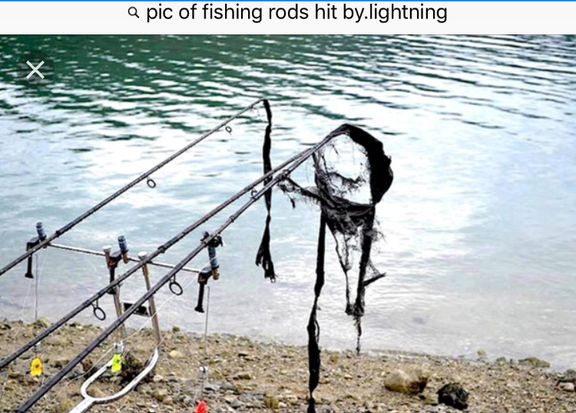

In reply to Post #20

Crikey!
Very informative stuff here
I was up last night watching the storm pass over. Lit the place up like daytime a few times. Very cool to watch but I'd no idea it could be so risky to fish
Crikey!
Very informative stuff here
I was up last night watching the storm pass over. Lit the place up like daytime a few times. Very cool to watch but I'd no idea it could be so risky to fish
Everything was fine, temp 19c , DO at 146% with a nice North Easterly blowing down the Lake.
Can't be to careful thou, as it only takes a couple of hours to wipe everything out if it inverts.
Can't be to careful thou, as it only takes a couple of hours to wipe everything out if it inverts.
In reply to Post #13
Bugger!! That's in Blenham village IRCC
Manor Farm isn't too far away.. Shame....
Bugger!! That's in Blenham village IRCC
Manor Farm isn't too far away.. Shame....
In reply to Post #13
Oh no, that's bloody tragic.
Oh no, that's bloody tragic.
In reply to Post #22
Keep an eye on your fisheries guys, I see a lot of waters are struggling today with the heat and fish have been on the top gasping. Like to think aerators are the norm now for lake owners.
Keep an eye on your fisheries guys, I see a lot of waters are struggling today with the heat and fish have been on the top gasping. Like to think aerators are the norm now for lake owners.
In reply to Post #22
I'm assuming that the 146% was mid-afternoon to early evening? If so what sort of readings are you getting in the lead up to dawn?
I'm assuming that the 146% was mid-afternoon to early evening? If so what sort of readings are you getting in the lead up to dawn?
In reply to Post #27
That's around 9am in the morning, been getting high readings all summer.
That's around 9am in the morning, been getting high readings all summer.
In reply to Post #28
I'm guessing that you're having a bad algae bloom?
My last batch of barley extract doesn't seem to have held the algae back and I was getting some very high daytime readings. Back down to 75% today.
I hope everything stays healthy on your place.
I'm guessing that you're having a bad algae bloom?
My last batch of barley extract doesn't seem to have held the algae back and I was getting some very high daytime readings. Back down to 75% today.
I hope everything stays healthy on your place.
In reply to Post #29
Cheers Andy, so do we all.
It's such a rich water it makes it very prone to doing crazy things, mainly stratification - then inverting which as you will know is the worst case scenario you can have. Last time it did it about 5 years ago it took it 2 hours to turn from gin clear highly oxygenated water with nothing wrong, to turn too water that looked like thick black Coffee and oxygen readings of 2%! (Killed everything but Trout)
Nobody believed a water could invert and turn so fast, but two EA staff was there to witness it happening, three DO Meters all gave a reading of 2%.
If we have a bit of rain every few days, and a bit of a breeze it's fine as the water table gets disturbed enough not to start separating into layers.
It's when it's totally static for more than a few days combined with hot weather we have to be on our guard, there's a pair of High pressure 3" Pumps on stand by all year round, only takes a couple of minutes to start the engines up and your "Churning" the water column over at a rate of over 30,000 litres a minute.
Cheers Andy, so do we all.
It's such a rich water it makes it very prone to doing crazy things, mainly stratification - then inverting which as you will know is the worst case scenario you can have. Last time it did it about 5 years ago it took it 2 hours to turn from gin clear highly oxygenated water with nothing wrong, to turn too water that looked like thick black Coffee and oxygen readings of 2%! (Killed everything but Trout)
Nobody believed a water could invert and turn so fast, but two EA staff was there to witness it happening, three DO Meters all gave a reading of 2%.
If we have a bit of rain every few days, and a bit of a breeze it's fine as the water table gets disturbed enough not to start separating into layers.
It's when it's totally static for more than a few days combined with hot weather we have to be on our guard, there's a pair of High pressure 3" Pumps on stand by all year round, only takes a couple of minutes to start the engines up and your "Churning" the water column over at a rate of over 30,000 litres a minute.
In reply to Post #30
Yes it's surprising how stratified the water can become even in relatively shallow lakes.
I lent my two emergency petrol pumps out to a local syndicate yesterday morning, they're having big problems.
Unfortunately I've witnessed first hand four fish kills over the last ten years, on three very different types of lake. Heartbreaking to see even when they're not your own this.
Amazing how those trout survived on your lake, I'd always been led to believe that they were more susceptible to low d.o. levels than just about any other species?
Yes it's surprising how stratified the water can become even in relatively shallow lakes.
I lent my two emergency petrol pumps out to a local syndicate yesterday morning, they're having big problems.
Unfortunately I've witnessed first hand four fish kills over the last ten years, on three very different types of lake. Heartbreaking to see even when they're not your own this.
Amazing how those trout survived on your lake, I'd always been led to believe that they were more susceptible to low d.o. levels than just about any other species?
In reply to Post #31
What surprises me Andy is how little preventative measures Fisheries take, when in reality for the price of replacing 1 x 20lb+ Carp you can buy all the equipment required to guarantee a disaster is not going to happen.
I was also told Trout were very susceptible to low oxygen levels – it's obviously not true as not one was found dead, this last week Trout can be seen leaping out here and there, none have ever been stocked since the fish kill.
I've lost count how many I've seen, there was 12 mass wipe outs just on that Monday morning ours did it, all totally different waters in varied locations, all stocked with various species.
I've witnessed a water wipe out its stocks via inverting, while a heavily stocked Stock Pond 30ft away was totally un-effected, reason – tree cover, as the trees kept the surface water temp stable, not allowing it to suddenly cool down and invert.
What surprises me Andy is how little preventative measures Fisheries take, when in reality for the price of replacing 1 x 20lb+ Carp you can buy all the equipment required to guarantee a disaster is not going to happen.
I was also told Trout were very susceptible to low oxygen levels – it's obviously not true as not one was found dead, this last week Trout can be seen leaping out here and there, none have ever been stocked since the fish kill.
I've lost count how many I've seen, there was 12 mass wipe outs just on that Monday morning ours did it, all totally different waters in varied locations, all stocked with various species.
I've witnessed a water wipe out its stocks via inverting, while a heavily stocked Stock Pond 30ft away was totally un-effected, reason – tree cover, as the trees kept the surface water temp stable, not allowing it to suddenly cool down and invert.
In reply to Post #32
I hear its bad yesterday/today, willow Park, and most of the Farnham waters closed, heard they lost a 51lb from the lake behind sandhurst.
I hear its bad yesterday/today, willow Park, and most of the Farnham waters closed, heard they lost a 51lb from the lake behind sandhurst.
In reply to Post #32
Trout are more susceptible to low DO than almost all coarse fish. This is a biological fact that simply cannot be disputed.
Trout are more susceptible to low DO than almost all coarse fish. This is a biological fact that simply cannot be disputed.

In reply to Post #32
So tree cover is a good thing? We have a club water that nearly lost them all last weekend as well, luckily the club managed to borrow four pumps and with people manning the pumps 24 hours a day to ensure they are kept running it seems the fish loss has been limited to about 10 carp, sadly about 50% of the biggest fish in the lake.
It's an old estate lake and, when tested, the oxygen level in one of the bays was basically zero (0.01) and it wasn't much higher in the main lake. I'm sure the EA said that trees were a bad thing as they prevented the wind getting on the lake and getting oxygen into the water , as well as shedding all their leaves into the water.
By the way the EA had no pumps as they were already out, lots of waters suffering the same problem. The club has now purchased two but IMO every club should have enough pumps to cater for two or three waters at a time needing help.
So tree cover is a good thing? We have a club water that nearly lost them all last weekend as well, luckily the club managed to borrow four pumps and with people manning the pumps 24 hours a day to ensure they are kept running it seems the fish loss has been limited to about 10 carp, sadly about 50% of the biggest fish in the lake.
It's an old estate lake and, when tested, the oxygen level in one of the bays was basically zero (0.01) and it wasn't much higher in the main lake. I'm sure the EA said that trees were a bad thing as they prevented the wind getting on the lake and getting oxygen into the water , as well as shedding all their leaves into the water.
By the way the EA had no pumps as they were already out, lots of waters suffering the same problem. The club has now purchased two but IMO every club should have enough pumps to cater for two or three waters at a time needing help.
In reply to Post #35
A further factor is that lightning converts available oxygen to ozone which not only lowers oxygen levels but is detrimental to bacteria in itself.
A further factor is that lightning converts available oxygen to ozone which not only lowers oxygen levels but is detrimental to bacteria in itself.
In reply to Post #35
The irony was the EA had advised chopping all the trees down over the top of the stock pond to allow air flow and light, but was reluctant to chop them back until the whole Stock Pond was protected with Lines above to keep Cormorants and Heron at bay. If we had have chopped them back the stock pond would have probably got wiped out as well, and with not doing all was fine!
But I would not compare a 50m x 25m Stock Pond with any lake, it was pure luck the tree's actually sheltered it and stopped the water inverting.
From what I've witnessed/observed no two waters are alike and each one does to a degree have its own unique habits. Some behave and never have any problems while others are just a constant pain in the arse and have to be constantly monitored all year round; they just cannot be trusted – as I keep saying to members “If it looks odd then something must be odd!”
~ I thought Pike and Trout where highly susceptible to low oxygen levels too – in reality with the EA bosses stood there, the exact opposite was witnessed by all!
~ Totally agree Paul as regards having Pumps on standby ready to use, it's a no brainer really - for just the cost of a gallon of Petrol, all the stock could possibly be saved in the event of a pending disaster
The irony was the EA had advised chopping all the trees down over the top of the stock pond to allow air flow and light, but was reluctant to chop them back until the whole Stock Pond was protected with Lines above to keep Cormorants and Heron at bay. If we had have chopped them back the stock pond would have probably got wiped out as well, and with not doing all was fine!
But I would not compare a 50m x 25m Stock Pond with any lake, it was pure luck the tree's actually sheltered it and stopped the water inverting.
From what I've witnessed/observed no two waters are alike and each one does to a degree have its own unique habits. Some behave and never have any problems while others are just a constant pain in the arse and have to be constantly monitored all year round; they just cannot be trusted – as I keep saying to members “If it looks odd then something must be odd!”
~ I thought Pike and Trout where highly susceptible to low oxygen levels too – in reality with the EA bosses stood there, the exact opposite was witnessed by all!
~ Totally agree Paul as regards having Pumps on standby ready to use, it's a no brainer really - for just the cost of a gallon of Petrol, all the stock could possibly be saved in the event of a pending disaster
Would it be worth running an aerator even when we have stormy/windy conditions like now... Strong winds and heavy rain overnight? Seems like a waste of time to me but I've been known to be wrong before 
In reply to Post #38
Every lake is different, you need to be checking your d.o. levels dawn and dusk to know what's occurring.
Every lake is different, you need to be checking your d.o. levels dawn and dusk to know what's occurring.
Reading ALL pages