


In reply to Post #1722
nice one. i am using an olympus e410. looks like i will have to source an auto set of tubes to get the aperture working correctly then. i have an old zuiko 1.8 l50mm i was going to reverse to try out as the reversing ring is cheap. ebay here i come.
nice one. i am using an olympus e410. looks like i will have to source an auto set of tubes to get the aperture working correctly then. i have an old zuiko 1.8 l50mm i was going to reverse to try out as the reversing ring is cheap. ebay here i come.

In reply to Post #1723
The 50mm 1.8 would be a good lens to reverse and you should get some great results from it. The big problem with some of the older/newer lenses is that they were made for Auto 35mm cameras and the mechanical linkage in the camera stopped the aperture down. You have to make sure that you can manually stop the aperture down when the lens is reversed.
The best way of doing this would be to get an adapter which has the Olympus fit and another system, it would not matter what that fit was as you are only interested in the Olympus fit part.
The aperture is stopped down by turning a ring on the adapter. For exposure you may be able to set the camera on auto speed and when the aperture is set on the lens the camera may set a speed to suite.
When using flash if you have a auto f/gun you can reduce the output of the gun to say ¼ and select in the case of the Canon the `P` setting. I normally play around with the `F` setting until I get the results I am looking for.
On reverse lens methods there is no focusing from the lens, the whole camera and lens is moved backward and forward to achieve focus. It's a bugger to get right at first but it gets easier with practise.
Try a search on Thomas Shahan Some of the best reversed lens capturers you will see. Looking forward to seeing your results. I have more macro capturers on JohnT2012 on the FlickR site
The 50mm 1.8 would be a good lens to reverse and you should get some great results from it. The big problem with some of the older/newer lenses is that they were made for Auto 35mm cameras and the mechanical linkage in the camera stopped the aperture down. You have to make sure that you can manually stop the aperture down when the lens is reversed.
The best way of doing this would be to get an adapter which has the Olympus fit and another system, it would not matter what that fit was as you are only interested in the Olympus fit part.
The aperture is stopped down by turning a ring on the adapter. For exposure you may be able to set the camera on auto speed and when the aperture is set on the lens the camera may set a speed to suite.
When using flash if you have a auto f/gun you can reduce the output of the gun to say ¼ and select in the case of the Canon the `P` setting. I normally play around with the `F` setting until I get the results I am looking for.
On reverse lens methods there is no focusing from the lens, the whole camera and lens is moved backward and forward to achieve focus. It's a bugger to get right at first but it gets easier with practise.
Try a search on Thomas Shahan Some of the best reversed lens capturers you will see. Looking forward to seeing your results. I have more macro capturers on JohnT2012 on the FlickR site
In reply to Post #1724
cheers for that. the 50mm 1.8 is an older zuiko lens for the OM system, and has aperture setting on it rather than the camera so should be ok. i think i'll just dive in and get the bits to try. any thoughts on extension tubes?
cheers for that. the 50mm 1.8 is an older zuiko lens for the OM system, and has aperture setting on it rather than the camera so should be ok. i think i'll just dive in and get the bits to try. any thoughts on extension tubes?
In reply to Post #1725
There is a simple test to see if the lens will stop- down manually when reversed mounted.
Set a small aperture f16 and see if any of the accessible linkage bits will stop the lens down. You can see by looking through the lens if this happens.
In most cases the auto stop down system is triggered by the linkage built into the camera body.
The lens adapter has this linkage system which allows you to set an aperture on the lens. You then focus at full aperture and turn a ring on the adapter which stops the lens down to the aperture you have set.
On the extension tube front if you go with a reversed lens then a manual set in metal would be the one to go for with a reversing ring to attach the lens to the end of the tubes.
On the auto front you can put a set of auto extension tubes onto your electric lens that came with the camera and use that lens with most if not all of the functions of the camera. When the lens is reversed you will be back to a manual system
On the adapter front make sure that you do not get the type which has a lens in it to correct infinity focusing as it will not work and you will not be able to focus. The correct adapter is known as a macro adapter.
I am not that clued up on Olympus systems so there may be some options that I am not aware off. It would be a good idea to have a talk with a Olympus dealer to see what they reccomend
There is a simple test to see if the lens will stop- down manually when reversed mounted.
Set a small aperture f16 and see if any of the accessible linkage bits will stop the lens down. You can see by looking through the lens if this happens.
In most cases the auto stop down system is triggered by the linkage built into the camera body.
The lens adapter has this linkage system which allows you to set an aperture on the lens. You then focus at full aperture and turn a ring on the adapter which stops the lens down to the aperture you have set.
On the extension tube front if you go with a reversed lens then a manual set in metal would be the one to go for with a reversing ring to attach the lens to the end of the tubes.
On the auto front you can put a set of auto extension tubes onto your electric lens that came with the camera and use that lens with most if not all of the functions of the camera. When the lens is reversed you will be back to a manual system
On the adapter front make sure that you do not get the type which has a lens in it to correct infinity focusing as it will not work and you will not be able to focus. The correct adapter is known as a macro adapter.
I am not that clued up on Olympus systems so there may be some options that I am not aware off. It would be a good idea to have a talk with a Olympus dealer to see what they reccomend
In reply to Post #1726
good info, enough to let me get the right gear, just need to get my pics sorted then. i normally do landscape stuff, will post a few on here soon. i was going to say i also do trophy shots, but they are mostly for others
good info, enough to let me get the right gear, just need to get my pics sorted then. i normally do landscape stuff, will post a few on here soon. i was going to say i also do trophy shots, but they are mostly for others

In reply to Post #1000
Heres a couple of shots I've taken this week with my nikkor 105 f/2.8 micro
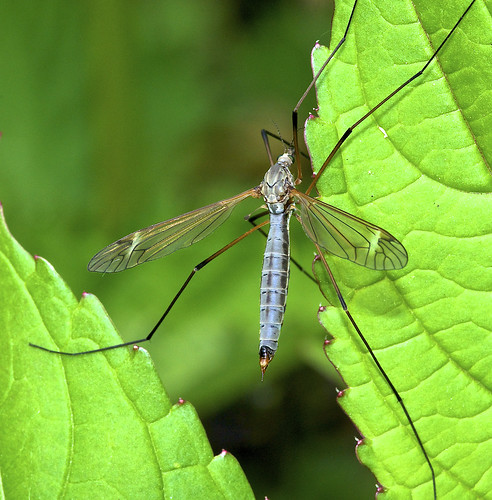
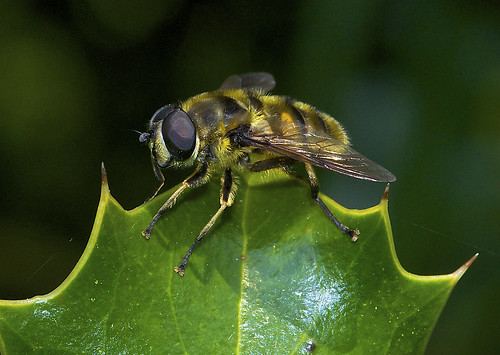
Heres a couple of shots I've taken this week with my nikkor 105 f/2.8 micro

Unbelievable detail dave, really impressed. What camera are you using?
Can't work out why, no matter how well focused my shots are, with whatever setting, I still end up with slightly soft looking pictures.
Maybe the camera isn't good enough? Running a Canon Eos 500d..
Can't work out why, no matter how well focused my shots are, with whatever setting, I still end up with slightly soft looking pictures.
Maybe the camera isn't good enough? Running a Canon Eos 500d..
In reply to Post #1729
Thanks all on black, using nikon d5000+ nikkor 105 f/2.8 also used sb400 flash with diffuser.
I have also done a little enhancing with Aperture though only a little sharpness and noise reduction.
camera setting were iso 400 f/20 1/160sec manual with comp flash .
.
Should be upgrading my d5000 for a d5100 next week and looking forward to better handling of high iso plus more pixs should help the crop factor
Thanks all on black, using nikon d5000+ nikkor 105 f/2.8 also used sb400 flash with diffuser.
I have also done a little enhancing with Aperture though only a little sharpness and noise reduction.
camera setting were iso 400 f/20 1/160sec manual with comp flash
.Should be upgrading my d5000 for a d5100 next week and looking forward to better handling of high iso plus more pixs should help the crop factor
In reply to Post #1729
I don't think that the camera is `not up to it` as the capture below was taken on a 450D which is older than the model you own.
The lens and accessories cost around £30 and is the outfit I was advising a previous poster about ie a reversed Canon FD lens, 50mm f1.8 with extension tubes.
I know we have had a number of PM's in respect of the problem you outlined and it could be worthwhile getting the camera checked out

 width=500>
Another example
 width=500>
I don't think that the camera is `not up to it` as the capture below was taken on a 450D which is older than the model you own.
The lens and accessories cost around £30 and is the outfit I was advising a previous poster about ie a reversed Canon FD lens, 50mm f1.8 with extension tubes.
I know we have had a number of PM's in respect of the problem you outlined and it could be worthwhile getting the camera checked out
width=500>Another example
width=500>
In reply to Post #1728
That 105 works for you big time Dave, good luck with the new camera
That 105 works for you big time Dave, good luck with the new camera
In reply to Post #1732
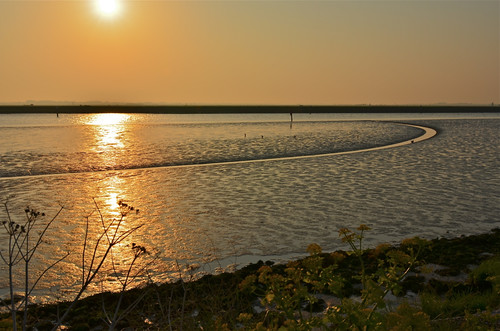
sun setting over breydon water
sun setting over breydon water

i know nothing about camera specs and my daughter wants a better camera than her compact, ive got £150 but would go to £200 to spend if i had to.
i have seen a Fuji S4500 Digital Bridge camera for £135, and i would appreciate someones opinion or maybe recommendation.
thanks
jim
i have seen a Fuji S4500 Digital Bridge camera for £135, and i would appreciate someones opinion or maybe recommendation.
thanks
jim
In reply to Post #1734
Jumping Spider on my Bed
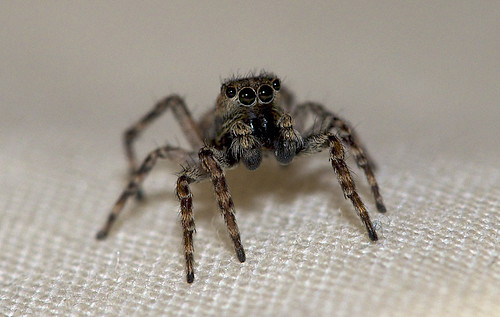
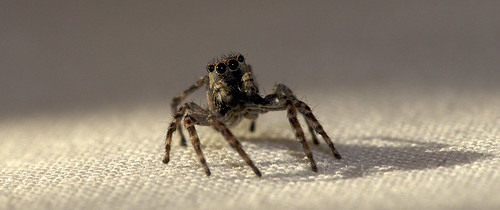
Jumping Spider on my Bed
In reply to Post #1735
Think it's jumping spider Dave, approperate when you consider what it is sitting on
Think it's jumping spider Dave, approperate when you consider what it is sitting on
In reply to Post #1736
Edited john
Edited john