


In reply to Post #1237
if it was one of yours with old d70 or new d7000?? nice shot
Neither...It was taken on a film camera, a Nikon F4 bought for peanuts. Film used was Provia 100F and the transparency was scanned to digital using a Nikon 5000ED scanner.
if it was one of yours with old d70 or new d7000?? nice shot
Neither...It was taken on a film camera, a Nikon F4 bought for peanuts. Film used was Provia 100F and the transparency was scanned to digital using a Nikon 5000ED scanner.

In reply to Post #1241
Having a look through some of the used camera sites I was surprised at for how little money you can pick up a classic top of the range SLR in conventional film format.
Having a look through some of the used camera sites I was surprised at for how little money you can pick up a classic top of the range SLR in conventional film format.

A few of the garden resident!
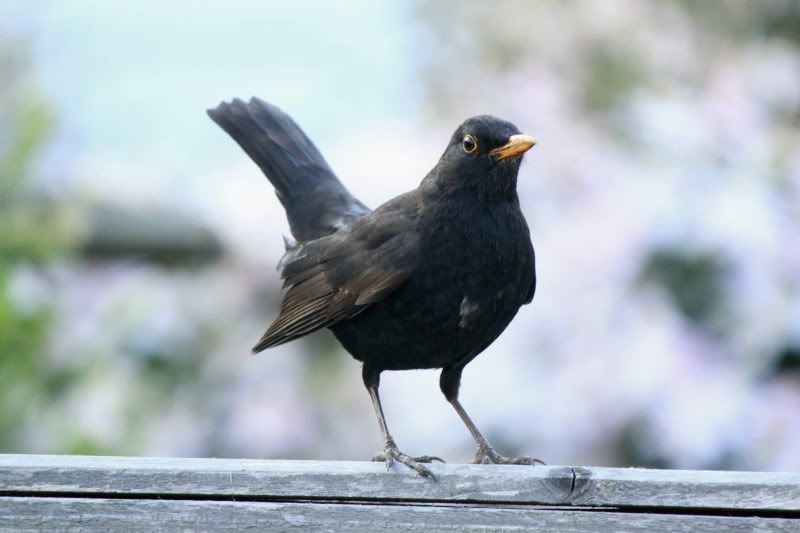
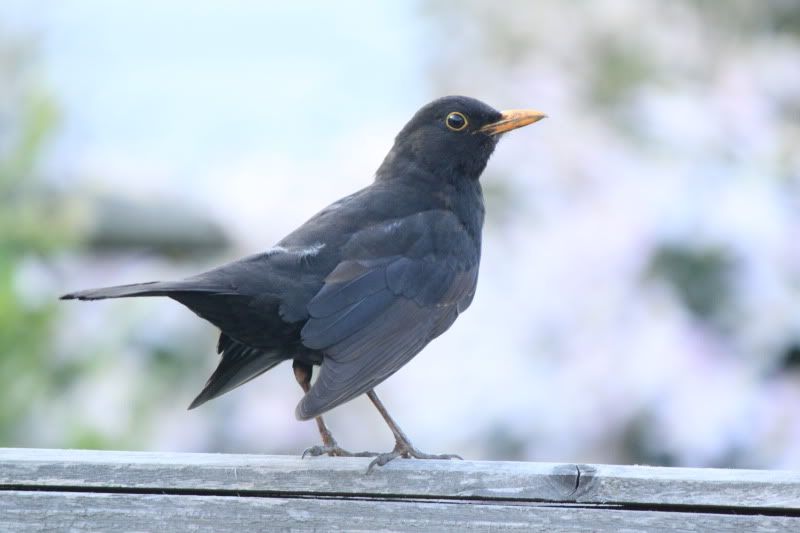
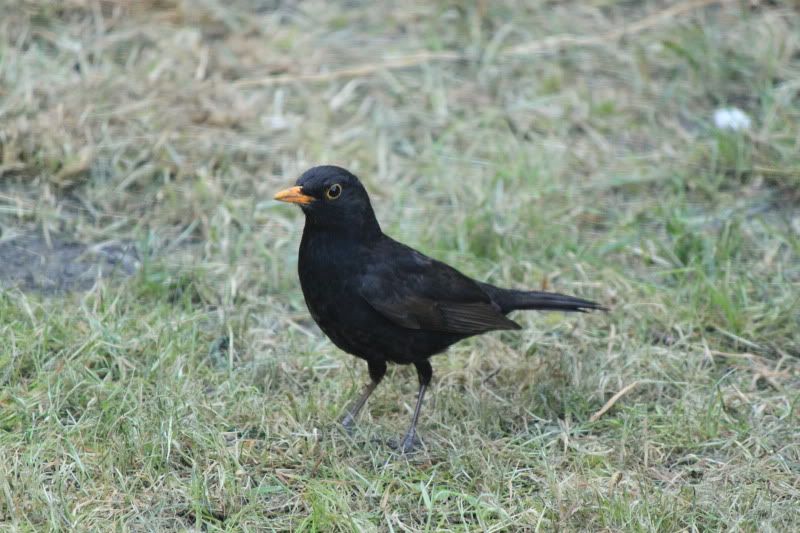


In reply to Post #1243
very nice photos
very nice photos

This message has been suppressed by a moderator.
In reply to Post #1245
Lovely crisp pix, Dave...
So the D5000 will take non-Nikon lenses then??? Was told that it would not wear Sigma, etc, lenses. 
Lovely crisp pix, Dave...
So the D5000 will take non-Nikon lenses then??? Was told that it would not wear Sigma, etc, lenses.
In reply to Post #1245
Dave,
How do you find the performance of that Sigma 150-500 lens?
Was looking at getting one a while ago but heard there was a couple of problems with soft focus and slow OS, what's your opinion?
Certainly looks like it takes a nice picture!
Cheers
Dave,
How do you find the performance of that Sigma 150-500 lens?
Was looking at getting one a while ago but heard there was a couple of problems with soft focus and slow OS, what's your opinion?
Certainly looks like it takes a nice picture!
Cheers


In reply to Post #1247
i have the sigma 100 - 300 f4 fantastic lens crisp sharp and cant fault the af at all just cant use a convertor higher than 1.4 x as it is non af past that point still usable though
the sigma 150 - 500
by ken rockwell
AF speed is leisurely. This lets it focus precisely at 500mm and not hang-up, but it's not what you want for sports.
If you are shooting action, get the lens in the general vicinity of your subject with the manual focus ring first, and it ought to do pretty well tracking small variations in distance.
AF Accuracy
AF always was right-on up through about 300mm.
At 500mm, my sample focused a little behind the subject.
This will vary with your on sample of lens and camera, and if it's a problem, most cameras now have manual fine-tuning adjustments.
i have the sigma 100 - 300 f4 fantastic lens crisp sharp and cant fault the af at all just cant use a convertor higher than 1.4 x as it is non af past that point still usable though
the sigma 150 - 500
by ken rockwell
AF speed is leisurely. This lets it focus precisely at 500mm and not hang-up, but it's not what you want for sports.
If you are shooting action, get the lens in the general vicinity of your subject with the manual focus ring first, and it ought to do pretty well tracking small variations in distance.
AF Accuracy
AF always was right-on up through about 300mm.
At 500mm, my sample focused a little behind the subject.
This will vary with your on sample of lens and camera, and if it's a problem, most cameras now have manual fine-tuning adjustments.
In reply to Post #1248
Many thanks for that link, Matt. The Sagan quote is so true yet it is poignant and self-castigating (of Man). The photo itself is just amazing, and like the earth rise photo further down the thread, it really does put our world in perspective.
Many thanks for that link, Matt. The Sagan quote is so true yet it is poignant and self-castigating (of Man). The photo itself is just amazing, and like the earth rise photo further down the thread, it really does put our world in perspective.

In reply to Post #1
I was advised to post this here .... relevance to Canon users
Hello all ....
I am usually a lone angler. Have been for years and so have always had to take pictures of myself by myself. This has involved making attachments for the camera and using bulb releases and in recent years using a G5 with that filp around screen and remote.
However ....
A little while ago the remote stopped working with my G5 so I was forced into using a Canon EOS 1000D. I have a couple of these - one with the iR filter removed for astroimaging use (I am also an astroimager) and the other for general use which is unmodded.
Under "general use" I do time lapse photography. Normally I use a netbook to run the sequences for this but a while ago I purchased an intervalometer so I could do time lapse runs without the lappy. (I can run the camera off of a 12v battery and the memory card will hold 3000+ images so the whole thing will run for days if needed without running out of memory or power).
So my G5 died and I pressganged the 1000D into the mould of angling camera. Setting it up wasn't as easy as the G5 because it doesn't have a flip round screen but with the kit 18-55mm lens I could set the camera up about 5 feet from my cradle and it was wide angled enough to easily get everything in. It takes a few seconds longer and as I use a Velbon Mini tripod I am able to peg down the tripod base and the camera can be removed and replaced any number of times and still be exactly lined up. With film cameras it was the thing to fill the frame with your subject. With modern digitals - especuially if you have a 10mp image it is easy to get wider angle or get the camera further away and just crop. You don't lose any details at all.
As my 1000D didn't have any form of remote I had to use a wireless release (I photograph birds also - its useful for this) but to set the camera in timed mode, pick the fish up, control it and compose yourself in 10 seconds is a bit rich. The Canon has a Continuous shooting function and the ability to take up to 10 shots in a timed burst. Neither of these options are particularly useful - especially at night with the flash involved.
Enter the intervalometer. Now an intervalometer allows you to set ... a/ an initial delay before the first exposure. b/ the length of the exposure (only any use in astronomical imaging). c/the delay between each subsequent exposure and d/ the number of exposures.
All of a sudden, taking pictures of myself is very, very easy.
I have my 1000D in Tv mode and set the exposure length to 1/100 of a second for daylight shots. You can just leave it in Auto if you wish - good at night of course. The intervalometer is set to a 15second initial delay. The exposure length only matters if you are using Bulb on the camera and you won't be for fishing. I have the delay between images at 4 seconds and the number of exposures to take at 25. All of these numbers are adjustable. Now once set the intervalometer keeps those settings so you only have to dig it out at the start of a session and (as long as you haven't altered anything in the meantime) just plug it into the camera. Turn the camera on and press Start on the intervalometer. It is all auto from here. I can pick the fish up, get myself and the fish sorted whilst the camera is doing its own thing taking pictures every 4 seconds. It is so easy and stress free which also has to be better for the fish - no more putting down and picking up.
Intervalometers work on most Canons that can use a wired remote through a 3.5mm socket. Consult your camera manual or speak to a supplier They are not expensive (about £15 - put intervalometer into the search function on Amazon) and work very, very well indeed. I am using a JYC model but they are all pretty much the same.
I thought someone might find this useful
I was advised to post this here .... relevance to Canon users
Hello all ....
I am usually a lone angler. Have been for years and so have always had to take pictures of myself by myself. This has involved making attachments for the camera and using bulb releases and in recent years using a G5 with that filp around screen and remote.
However ....
A little while ago the remote stopped working with my G5 so I was forced into using a Canon EOS 1000D. I have a couple of these - one with the iR filter removed for astroimaging use (I am also an astroimager) and the other for general use which is unmodded.
Under "general use" I do time lapse photography. Normally I use a netbook to run the sequences for this but a while ago I purchased an intervalometer so I could do time lapse runs without the lappy. (I can run the camera off of a 12v battery and the memory card will hold 3000+ images so the whole thing will run for days if needed without running out of memory or power).
So my G5 died and I pressganged the 1000D into the mould of angling camera. Setting it up wasn't as easy as the G5 because it doesn't have a flip round screen but with the kit 18-55mm lens I could set the camera up about 5 feet from my cradle and it was wide angled enough to easily get everything in. It takes a few seconds longer and as I use a Velbon Mini tripod I am able to peg down the tripod base and the camera can be removed and replaced any number of times and still be exactly lined up. With film cameras it was the thing to fill the frame with your subject. With modern digitals - especuially if you have a 10mp image it is easy to get wider angle or get the camera further away and just crop. You don't lose any details at all.
As my 1000D didn't have any form of remote I had to use a wireless release (I photograph birds also - its useful for this) but to set the camera in timed mode, pick the fish up, control it and compose yourself in 10 seconds is a bit rich. The Canon has a Continuous shooting function and the ability to take up to 10 shots in a timed burst. Neither of these options are particularly useful - especially at night with the flash involved.
Enter the intervalometer. Now an intervalometer allows you to set ... a/ an initial delay before the first exposure. b/ the length of the exposure (only any use in astronomical imaging). c/the delay between each subsequent exposure and d/ the number of exposures.
All of a sudden, taking pictures of myself is very, very easy.
I have my 1000D in Tv mode and set the exposure length to 1/100 of a second for daylight shots. You can just leave it in Auto if you wish - good at night of course. The intervalometer is set to a 15second initial delay. The exposure length only matters if you are using Bulb on the camera and you won't be for fishing. I have the delay between images at 4 seconds and the number of exposures to take at 25. All of these numbers are adjustable. Now once set the intervalometer keeps those settings so you only have to dig it out at the start of a session and (as long as you haven't altered anything in the meantime) just plug it into the camera. Turn the camera on and press Start on the intervalometer. It is all auto from here. I can pick the fish up, get myself and the fish sorted whilst the camera is doing its own thing taking pictures every 4 seconds. It is so easy and stress free which also has to be better for the fish - no more putting down and picking up.
Intervalometers work on most Canons that can use a wired remote through a 3.5mm socket. Consult your camera manual or speak to a supplier They are not expensive (about £15 - put intervalometer into the search function on Amazon) and work very, very well indeed. I am using a JYC model but they are all pretty much the same.
I thought someone might find this useful
In reply to Post #1251
Useful information Mick,thanks
Useful information Mick,thanks

In reply to Post #1245
Very beautiful!
Thanks for the sharing.
Very beautiful!
Thanks for the sharing.

In reply to Post #1253
Can anyone help?? I have a canon G5 and when uploading photo's I cant upload anything taken in M setting. They appear on the camera but I cant get them to transfer to the computer with the photos taken in Auto. Is there something else i need to be doing??
Can anyone help?? I have a canon G5 and when uploading photo's I cant upload anything taken in M setting. They appear on the camera but I cant get them to transfer to the computer with the photos taken in Auto. Is there something else i need to be doing??

This message has been suppressed by a moderator.